Have you ever felt relieved when you find that word or phrase that accurately describes how you feel or behave? I’ll introduce you to a little phrase here which gave me that same relief:
Executive Dysfunction
Executive Dysfunction (ED) is a symptom that disrupts how your brain manages thoughts, emotions and actions. This means that it goes against these three executive functions:
- Working Memory -> your memory that’s involved in what you’re doing right now (e.g. reading this blog)
- Cognitive Flexibility -> how fluid/flexible your brain can move between topics
- Inhibition control -> ability to manage your ED through your behaviour and steering your thoughts.
The three functions lay the foundations of more higher level processes like planning, reasoning and problem-solving… which I won’t go into right now. It definitely helps to understand how your brain works so that you’re able to adapt with it and get shit done.
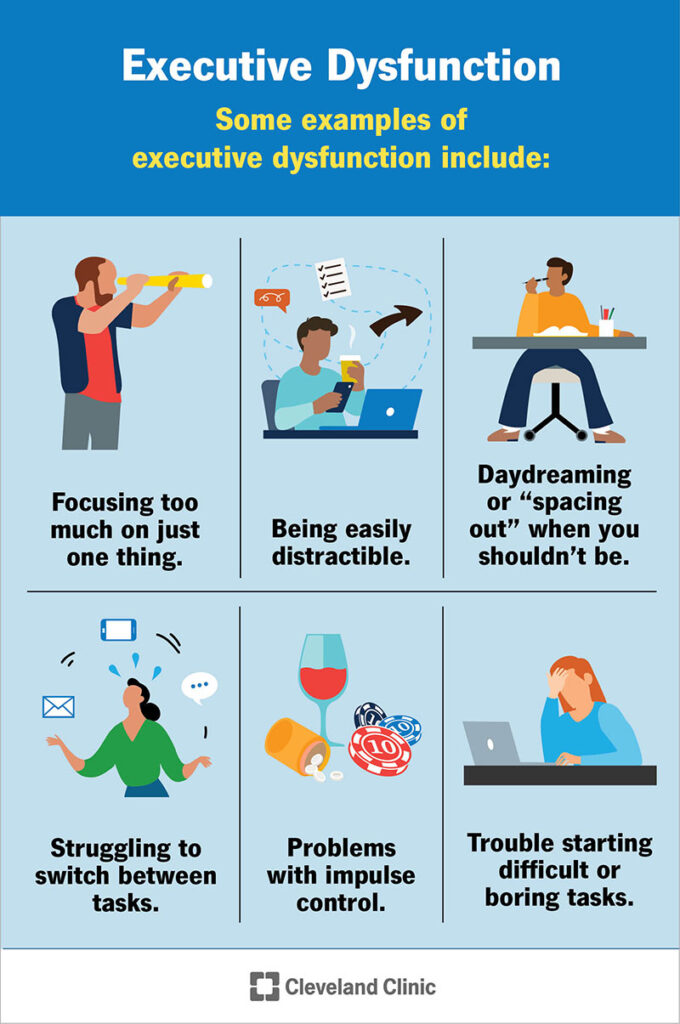
This is why I focus on maintaining my productivity and a healthy wellbeing. If I can tackle my own executive dysfunction, I would feel unstoppable in all areas of my life. I have ideas, hopes, optimism and dreams but there’s days where I’m held back by some sort of invisible barrier.
What can I do to fix this?
Overcoming ED means that you have to explore what tools and resources available out there to get the momentum going.
You need routine and structure for your days. It can be as simple as breaking up your day into timed segments where you allocate a good chunk of time to focus on a task that you plan to do. Don’t even try to remember everything that you have to do… it’s a headache and it’s better to get it all written down. You’ll also find that anticipation of a task is worse than the task itself.
Build good habits and get rid of those bad habits that you constantly think about getting rid of. Find out what your triggers are and don’t be afraid to sit down and analyse different aspects are. I would recommend reading Atomic Habits by James Clear for this one… it’s eye opening and makes you realise that setting good habits and ending bad ones isn’t rocket science.
ED has layers to it – it’s like an onion that will definitely leave you in tears. Though, when you identify an issue, you’re making progress. Now you have to solve that issue in whatever way works for you.
What helps with my task initiation and time management is the Pomodoro Technique. That keeps me locked in… I’ll give you a deep dive of that in the next post!
Leave a Reply